広島・長崎への原爆投下から、今年で81年。
母は疎開先の台湾で終戦を迎えました。
その後、結婚して父の赴任先である長崎へ移り、私はそこで生まれました。
私が生まれた病院は「長崎原爆病院」。
原爆被爆者の診療と健康管理、そして原爆後障害の医療を専門に担う、長崎における被爆者医療の中心的な病院です。
私は生後間もなく長崎を離れましたが、8歳のとき、家族旅行で再び長崎を訪れました。
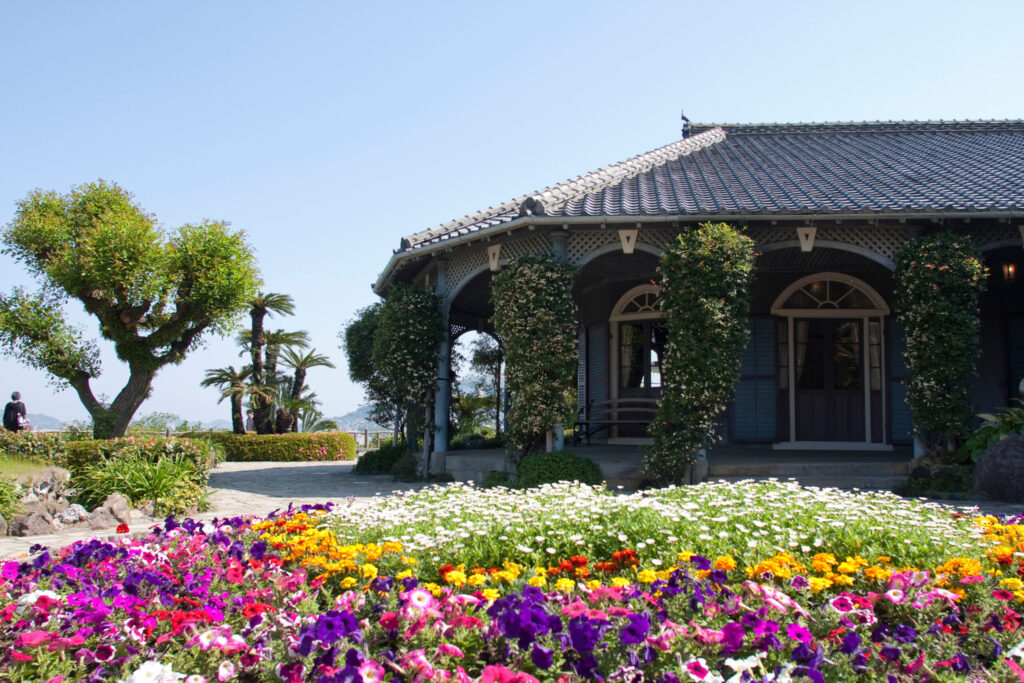
有名なグラバー園をはじめ、浦上天主堂などを巡り、その中で原爆資料館にも足を運びました。
目を背けたくなるような写真や遺品の数々に、母は途中で気分が悪くなってしまいました。
いっぽう私は、子どもゆえの無知と純粋さからか、冷静に見ていたように思います。
旅館へ戻り、そこで買い求めた冊子を読みました。その内容はあまりにも悲惨で、写真やもので見るよりも、もっと深く心に刺さりました。その内容は、今でも鮮明に残っています。
夏休みの思い出とともに
夏休みといえば、ラジオ体操やプール、海水浴、祖父母の家への帰省。
昭和に子ども時代を過ごした多くの人に共通する風景でしょう。
その中で、8月6日と8月9日だけは特別でした。
高校野球中継の途中、サイレンが鳴り、黙祷の時間が訪れます。
蝉の声を聞きながら、私も母も、テレビの前で静かに手を合わせました。
楽しいはずの夏休みの最中。
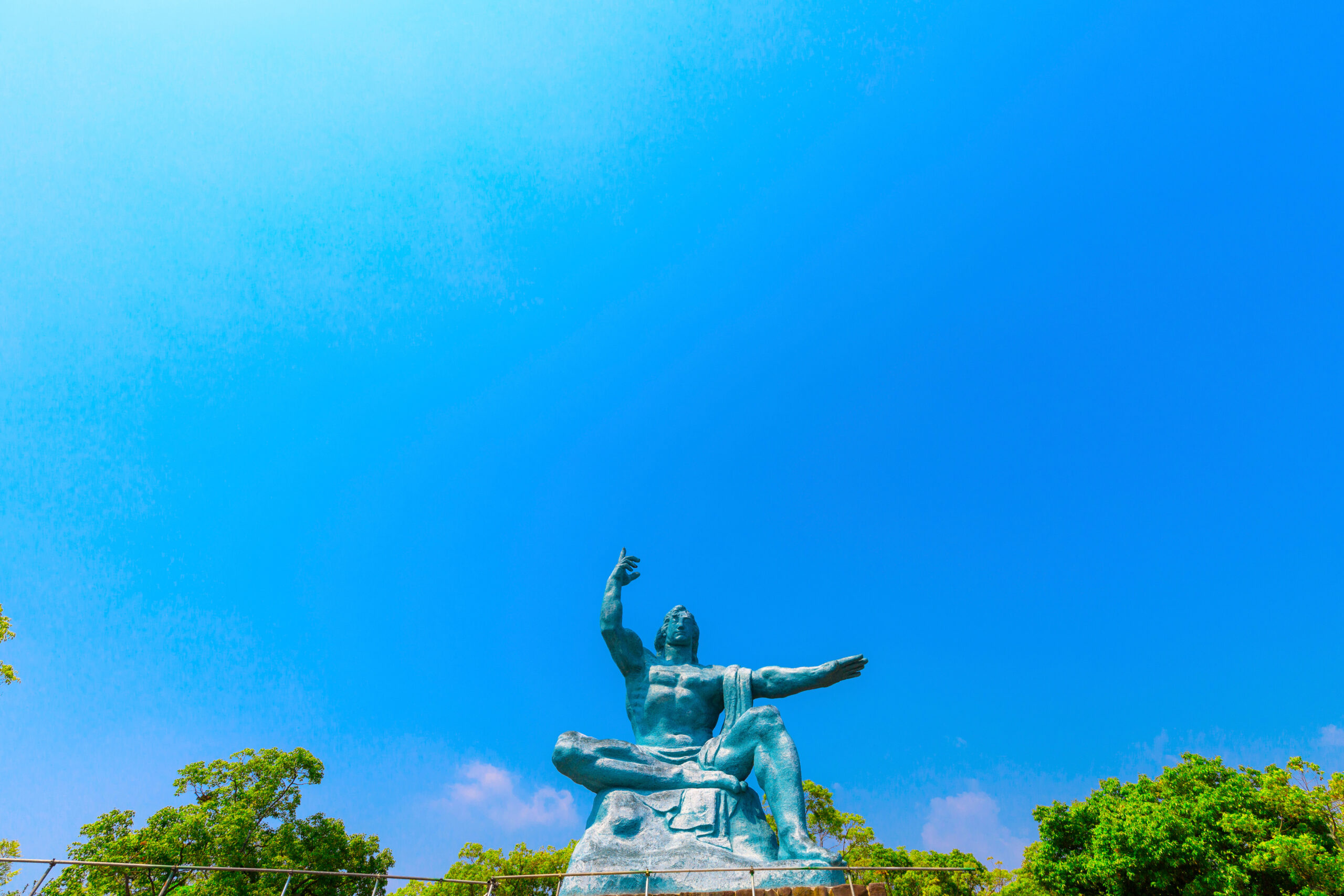
あの日も、きっと同じように、青く澄み渡った夏の空だったでしょう。
そんなことを考えながら、いつか読んだ冊子に記されていた、
あまりにも恐ろしい出来事を、いつも思い浮かべていました。
直接被害を受けたわけではないですが、
それでも、原爆は「この世で最も恐ろしいもの」として、私の心に深く刻まれました。
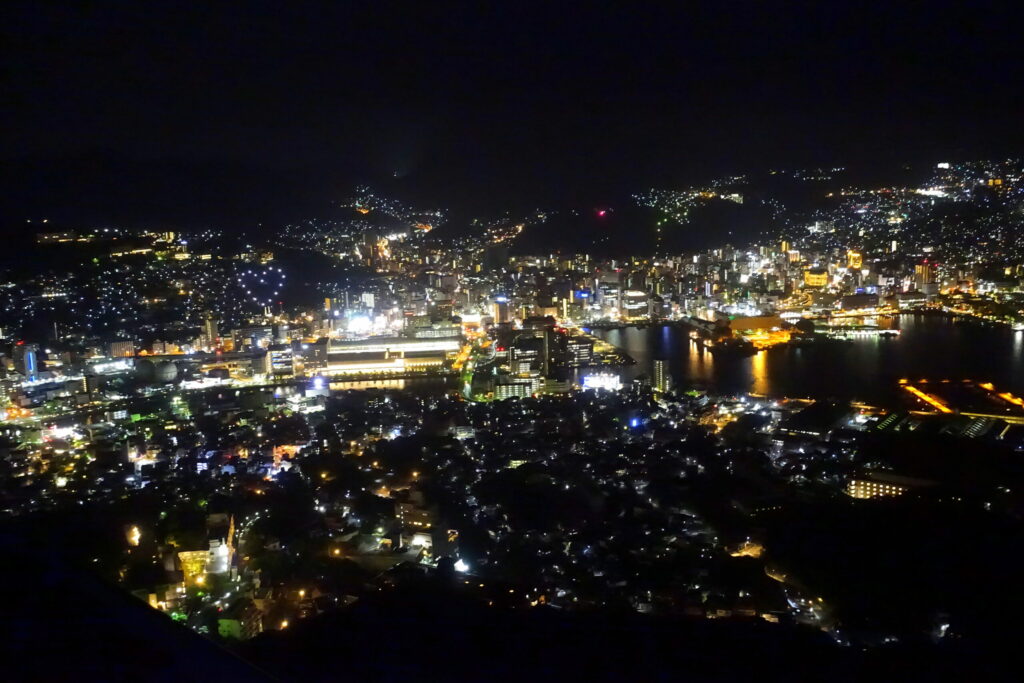
今も、これからも
あれから81年。
科学も技術も大きく進歩し、私たちの暮らしは驚くほど便利になりました。それでも人類は、いまだに核兵器を手放すことができません。
私は原爆病院で生まれました。
だからといって特別なことを語れるわけではないけれど、戦争や核兵器を過去のものとせず、今も、これからも、考え続けなければならないと思っています。
奪われた数え切れない命を想い、今年も静かに黙祷を捧げたいと思います。
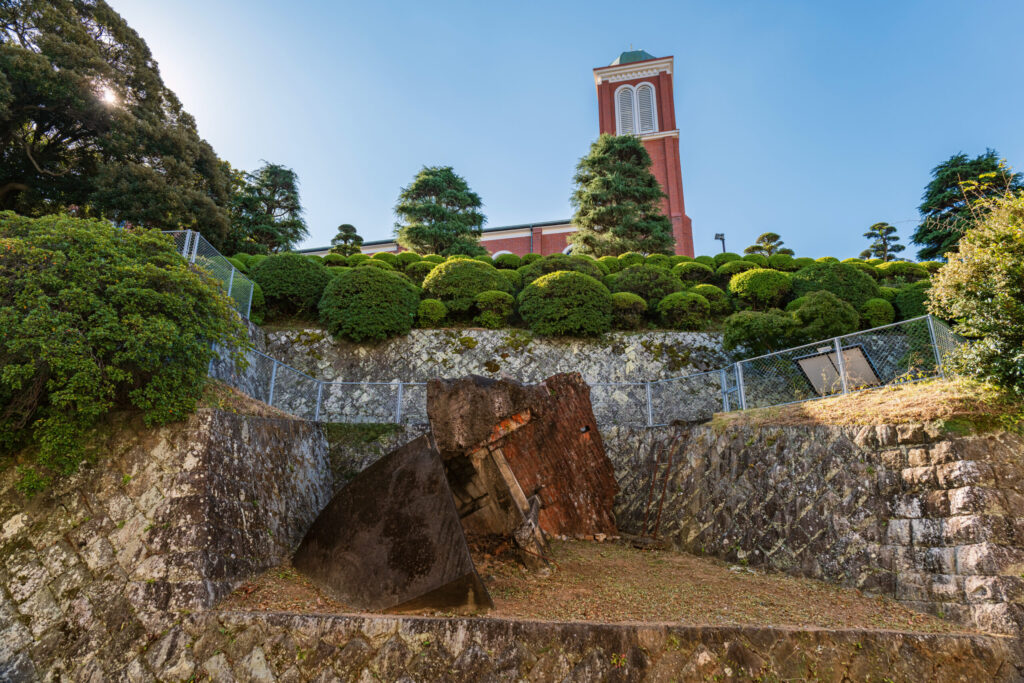
Born in an Atomic Bomb Hospital: Reflections in the 81st Summer
By Otona-Kurashi+ Editorial Team
Eighty-one years have passed since the atomic bombings of Hiroshima and Nagasaki.
My mother experienced the end of World War II in Taiwan, where she had been evacuated. Later, she married my father and moved to Nagasaki for his work assignment, which is where I was born.
The hospital of my birth was the Nagasaki Atomic Bomb Hospital—the central medical institution dedicated to the treatment, healthcare, and study of aftereffects for hibakusha (atomic bomb survivors).
Although my family moved away from Nagasaki shortly after I was born, we returned on a family trip when I was eight years old.
We toured famous spots like Glover Garden and Urakami Cathedral, and during that trip, we visited the Nagasaki Atomic Bomb Museum. The harrowing photographs and personal artifacts were so overwhelming that my mother felt sick halfway through. Meanwhile, perhaps out of a child’s sheer innocence and lack of understanding, I looked upon everything with a quiet detachment.
Back at the inn, I read a booklet we had purchased at the museum. The written accounts were so tragic that they pierced my heart even deeper than the artifacts and photos had. What I read remains vivid in my mind to this day.
Entwined with Summer Vacation Memories
Summer vacations back then meant morning radio calisthenics, swimming pools, trips to the beach, and visits to grandparents—scenes familiar to anyone who grew up in Japan’s Showa era.
Yet, August 6th and August 9th were always different.
During the live high school baseball broadcasts, the siren would sound, signaling a moment of silent prayer. Amid the buzz of cicadas, my mother and I would quietly clasp our hands in front of the television.
Right in the middle of an otherwise joyful summer break, I would look up at the clear blue sky, imagining that the sky on that fateful day must have looked just as bright. The horrific events I read about in that booklet would always resurface in my mind.
Though I was not directly harmed, the atomic bomb was permanently etched into my soul as the most terrifying thing in existence.
Now, and for the Future
Eighty-one years have passed since then.
Science and technology have advanced remarkably, making our lives unimaginably convenient. Yet humanity has still not let go of nuclear weapons.
I happened to be born in an atomic bomb hospital. That alone does not make me an authority, but I believe we must never treat war and nuclear weapons as mere relics of the past. We must keep reflecting on them—now, and for the future.
Remembering the countless lives lost, I offer my quiet prayers once again this year.